Introduction
Every musician has faced the moment of doubt—“Am I ready to play in front of people?” The truth is, there is no perfect moment. Growth comes not from endless practice in a closed room, but from sharing your music openly, no matter how imperfect it feels. Performing in front of an audience, whether it’s a small café, a live stream, or a concert stage, teaches lessons that private rehearsals never could.
Why Private Practice Isn’t Enough
Practicing alone builds skill, but it also creates a comfort zone. In private, mistakes can be hidden, songs can be restarted, and there’s no pressure. While this is valuable for learning the basics, it can limit growth. Music, at its core, is about communication—and communication requires an audience.
The Power of Playing for Real People
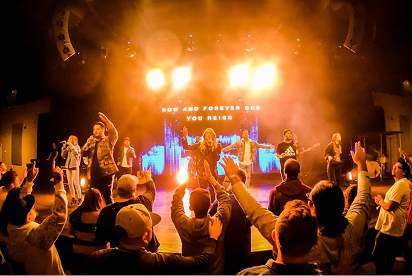
When you play live, every note and every pause is shared with someone else. You instantly feel the energy of your audience—their nods, smiles, and even their silence. This feedback loop shapes your performance in ways you cannot achieve alone. You learn to adapt, to push through imperfections, and to keep the flow going no matter what happens.
Turning Mistakes Into Confidence
Stage fright is common, but it is also a teacher. The first time you miss a note in front of people, it feels like the end of the world. But with each performance, you realize mistakes are part of the journey. Audiences don’t expect perfection—they want honesty. Learning to carry on confidently through mistakes turns you into a stronger, more resilient performer.
Building a Connection with Your Fans
Every live performance is an opportunity to build relationships. Even if you play the same song multiple times, no two performances are ever alike. Fans remember the energy, the story, and the way you made them feel. This connection not only improves your stage presence but also motivates you to keep evolving as an artist.
Practical Ways to Start Performing in Public
- Open Mic Nights: Low-pressure environments perfect for beginners.
- Live Streaming: Share your practice sessions online to reach global audiences.
- Small Gatherings: Play for friends, family, or at local cafés.
- Collaboration: Perform with other musicians to learn from their energy.
Conclusion
True mastery comes when you stop chasing perfection and start embracing practice in public. Every performance, no matter how small, is a step toward becoming not just a better musician, but a more confident storyteller. Remember, music was never meant to stay in a practice room—it was meant to be shared.